▪ Week in Review PRICING CULTURE |
|
| Issue 003 · Sunday, August 2, 2026 |
This week was about access and scarcity. Piaget's surveyed watch basket rose +46.98% over twelve months as collectors kept rotating toward distinctive design. Whisky casks moved deeper into private-client allocation, giving high-net-worth buyers a direct claim on maturing Scotch rather than only finished bottles. Ferrari's secondary-market tape held positive into Monterey season, while Hermes' widening gap over Kering showed that luxury is no longer one simple trade. The common thread: buyers are still active, but they are paying for provenance, supply control, and defensible scarcity. |
|
▪ WatchesPiaget Shows the Watch Rotation Is Still BroadeningBy The Pricing Culture Desk - 6 min read |
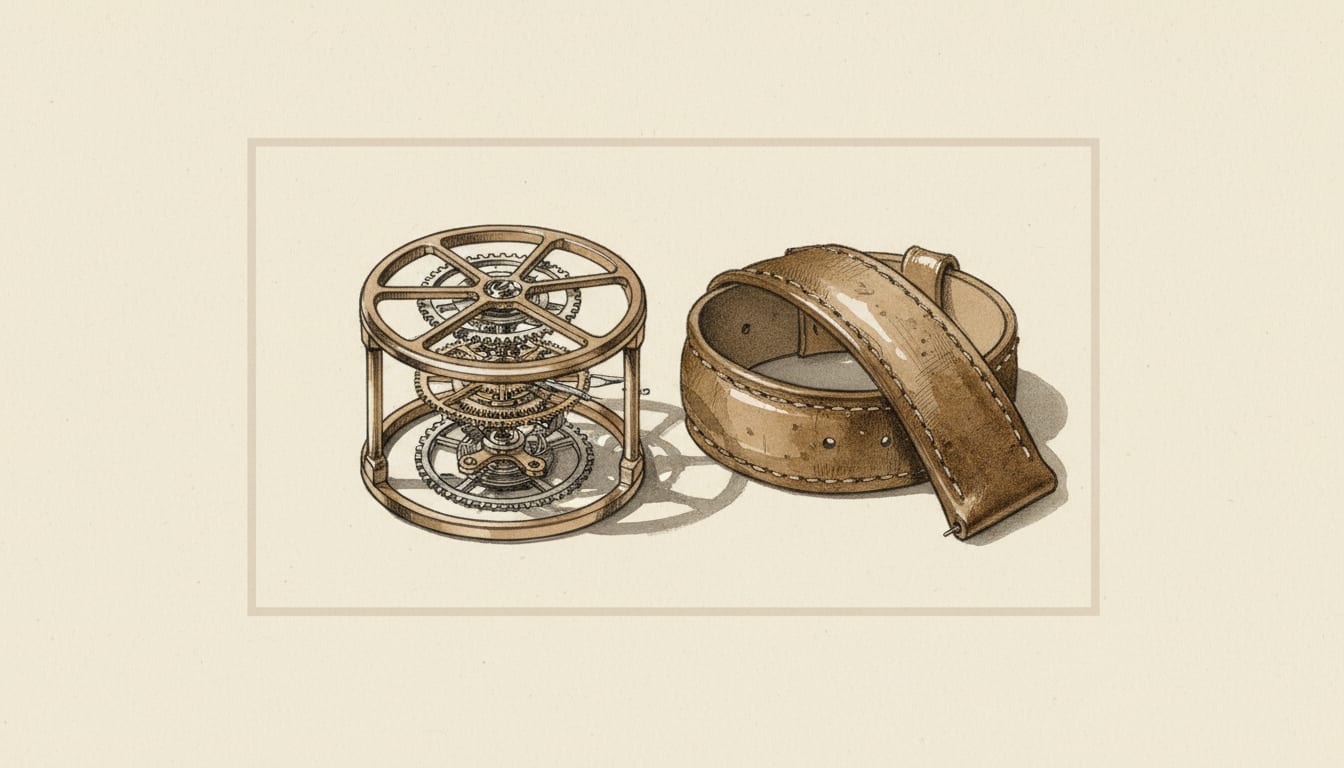 Illustration: Illustration: Pricing Culture Studio |
The strongest watch signal this week came from outside the usual steel-sports conversation. Pricing Culture's Piaget survey covers 20 representative watches and shows average prices up +46.98% over twelve months, +18.63% over ninety days, and +9.51% over thirty days, with the seven-day change holding flat at +0.00%. The watch trade is rewarding design distinction, not just brand familiarity. - Pricing Culture -> |
That pattern reads like rotation rather than a one-week spike. The published story points to collectors looking for historical design, stone dials, precious metals, and ultra-thin watchmaking at a moment when the most obvious mainstream references no longer lift the whole category on their own. For dealers and advisors, the takeaway is practical: sourcing quality matters. The opportunity is in well-preserved examples with original dials, documented provenance, and designs that still look distinct beside the crowded sports-watch trade. Piaget's move suggests the watch market is not quiet; it is becoming more selective. Sources: Pricing Culture ↗ |
|
▪ CollectiblesWhisky Casks Move From Specialist Trade to Private-Client Allocation |
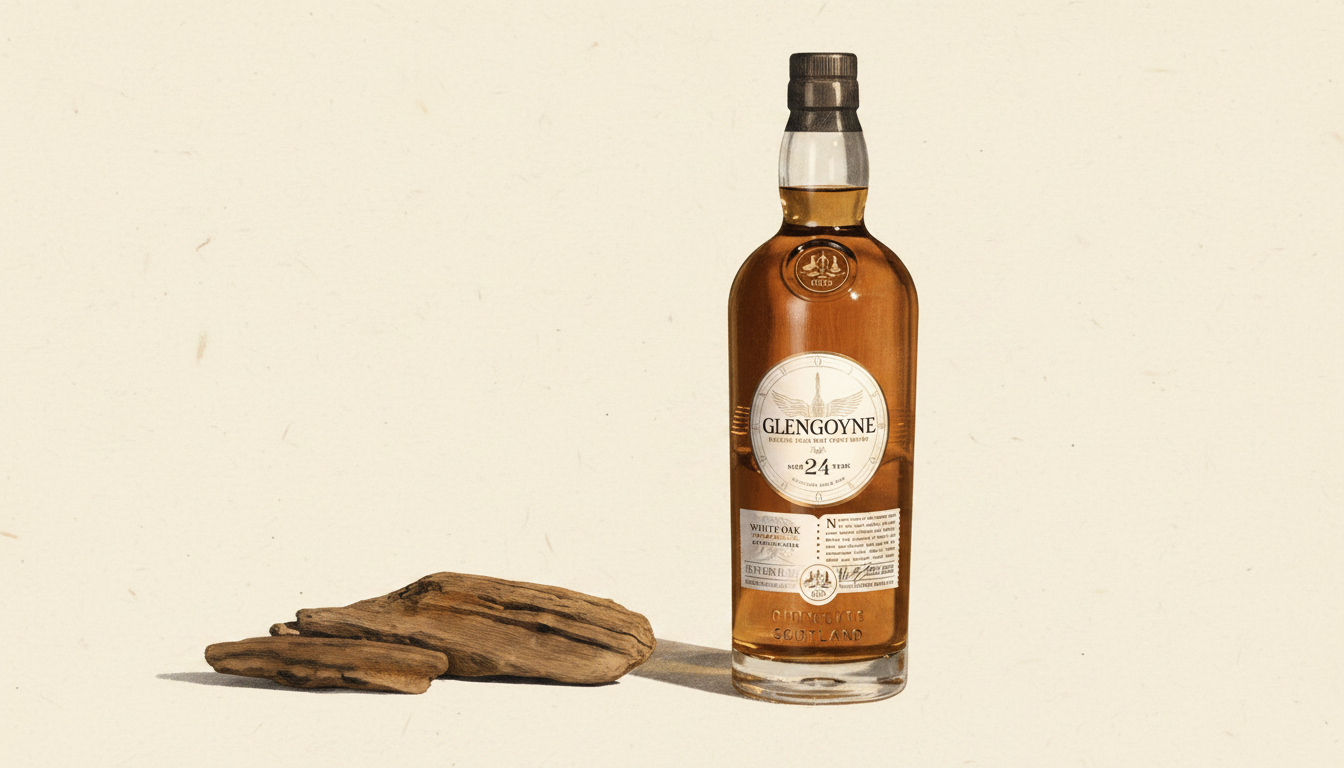 Illustration: Illustration: Pricing Culture Studio |
The clearest collectibles story this week was not a finished bottle; it was access to the warehouse. Robb Report covered Ian Macleod Distillers' private-client division for rare maturing whisky casks, while Forbes has tracked a wider set of Scotch distilleries offering full-cask ownership programs. The collectible is no longer only the bottle; it is the aging claim on the warehouse. - Pricing Culture -> |
The appeal is provenance. Direct-from-distillery ownership gives collectors a cleaner chain of custody than many secondary-market bottle trades, with storage, climate control, and insurance handled inside bonded warehouses rather than in private cellars or opaque broker channels. For advisors, whisky cask programs sit squarely in the asset-class conversation Pricing Culture wants to follow: long-duration, provenance-sensitive, and built for clients who want more than retail access. The market is turning production itself into the collectible. Sources: Robb Report ↗ · Forbes ↗ · Pricing Culture ↗ |
|
| ▪ The Auction Tape |
| Sales YTD by house · $M · last week ■ % | | | | | | | | | Top sales closed last week | | › Sotheby's - Finest & Rarest Wines | Featuring Extraordinary Leroy and d’Auvenay ... $2.5M | | › Bonhams - Fine Jewelry: California ... $2.4M | | › Bonhams - Prints & Multiples ... $1.6M | | Tracked · YTD $1.2B · last week +$11.0M · as of 2026-08-02 |
|
|
▪ CarsFerrari Holds the Collector-Car Middle While Monterey Supply Builds |
 Illustration: Illustration: Pricing Culture Studio |
Ferrari is entering Monterey season with a measured but positive secondary-market signal. Pricing Culture's latest Ferrari story ranks the marque 4th of 7 tracked collector-car brands over ninety days, with a +2.96% ninety-day gain against a +1.51% broader collector-car benchmark. Ferrari demand is present, but it is concentrating around the cars with a reason to matter. - Pricing Culture -> |
The short-term tape is mixed in the way a mature market usually is. Ferrari slipped -0.27% over seven days, but average prices across 7,821 tracked listings rose +3.06% over thirty days and +7.04% over twelve months. Road & Track's coverage of the first Ferrari Luce charity auction and Classic Driver's modified F40 auction story keep the supply side visible just as Monterey attention builds. The read is not runaway heat. It is disciplined demand around special cars, charity offerings, and historically important configurations. Ferrari is still liquid, but buyers are paying for story, specification, and event timing rather than the badge alone. Sources: Pricing Culture ↗ · Road & Track ↗ · Classic Driver ↗ |
|
▪ HandbagsHermes-Kering Spread Shows Luxury Is No Longer One Trade |
 Illustration: Illustration: Pricing Culture Studio |
Handbags gave the week its clearest luxury-market split. Bloomberg reported that the stock-price spread between Hermes International and Kering reached a record high, while the Financial Times framed Hermes' momentum around ultra-wealthy clients and disciplined scarcity. Luxury is no longer one tide; scarcity and turnaround risk are being priced separately. - Pricing Culture -> |
That corporate divergence maps directly onto the secondary handbag market. Hermes' queue system and constrained production support resale value by keeping the most coveted bags structurally scarce. Kering's Gucci-led turnaround risk is a different proposition: more exposed to fashion cycles, consumer pullbacks, and the cost of rebuilding momentum. For family offices and advisors, the distinction matters. Luxury is not a single allocation bucket. Brands that behave like capital-preservation assets have volume control, artisanal scarcity, and a client base insulated from credit cycles. Brands dependent on seasonal demand need a different risk discount. Sources: Bloomberg ↗ · Financial Times ↗ · Pricing Culture ↗ |
|
| ▪ The Wire |
| › Pricing Culture's Piaget survey rose +46.98% over twelve months and +18.63% over ninety days across 20 representative watches. pricingculture | | › Robb Report covered Ian Macleod Distillers' private-client channel for rare maturing whisky casks. robbreport | | › Ferrari ranked 4th of 7 tracked collector-car marques over ninety days, with +3.06% thirty-day pricing across 7,821 tracked listings. pricingculture | | › Bloomberg reported a record stock-price spread between Hermes and Kering, highlighting diverging luxury-market models. bloomberg | | › Sotheby's Abu Dhabi luxury-sales push adds another regional node for watches, jewelry, and collector objects. pricingculture |
|
That's the week. Scarcity is still working, but only where provenance and access are real. - The Pricing Culture desk |
Pricing Culture Inc. Pricing Culture is an AI native company delivering data, insights and news to collectors, their advisors and industry stakeholders. We analyze millions of data points, thousands of transactions and hundreds of news sources to help organize a fragmented market. FRONT PAGE · SECONDARY MARKETS · THE WIRE · AUCTION ROOMS beehiiv appends the required unsubscribe link + postal address below (CAN-SPAM). On the free plan the beehiiv badge also shows here; Private Branding (Max) removes it. |

